Teach the Notes like a Memory Master
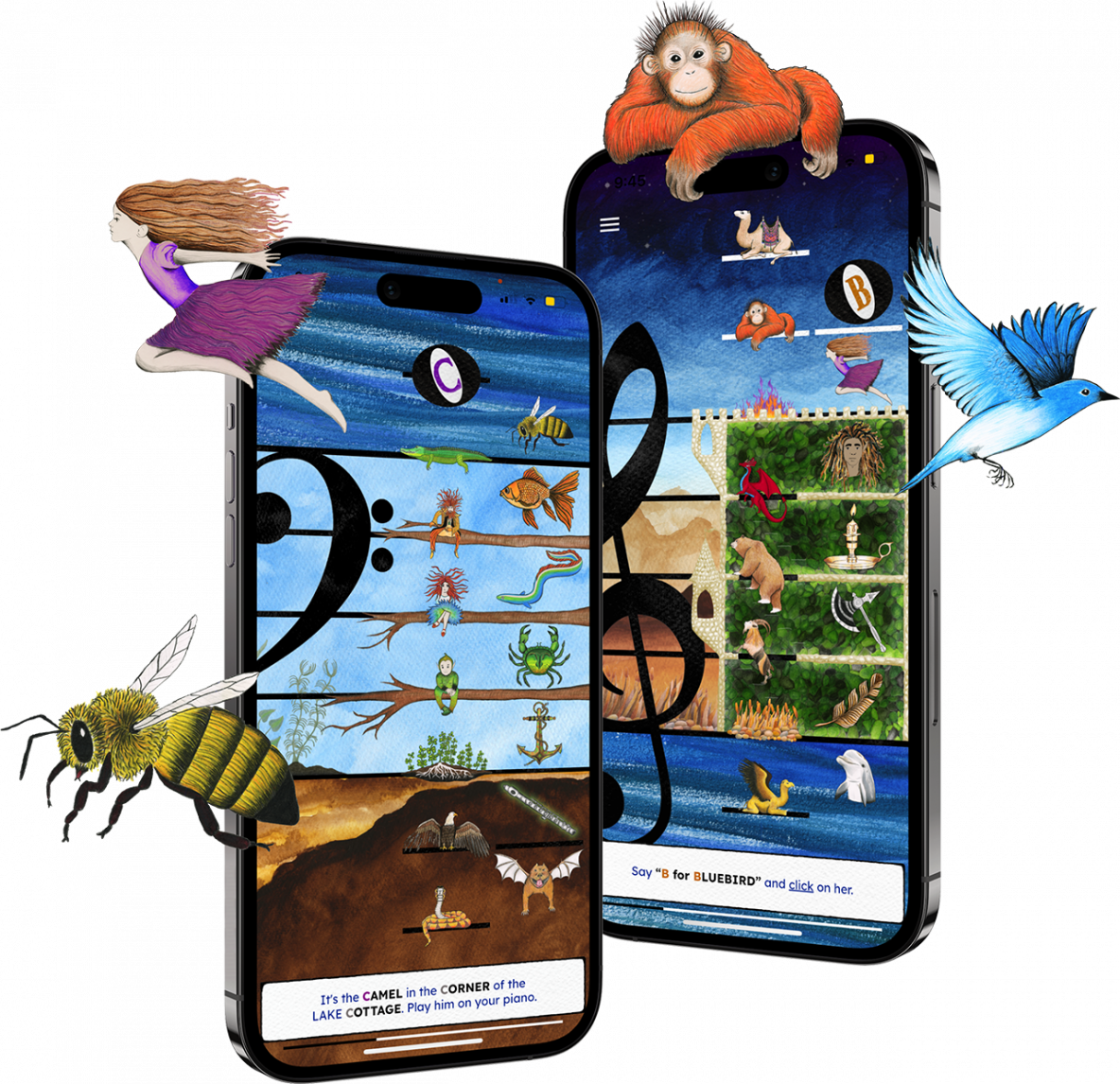
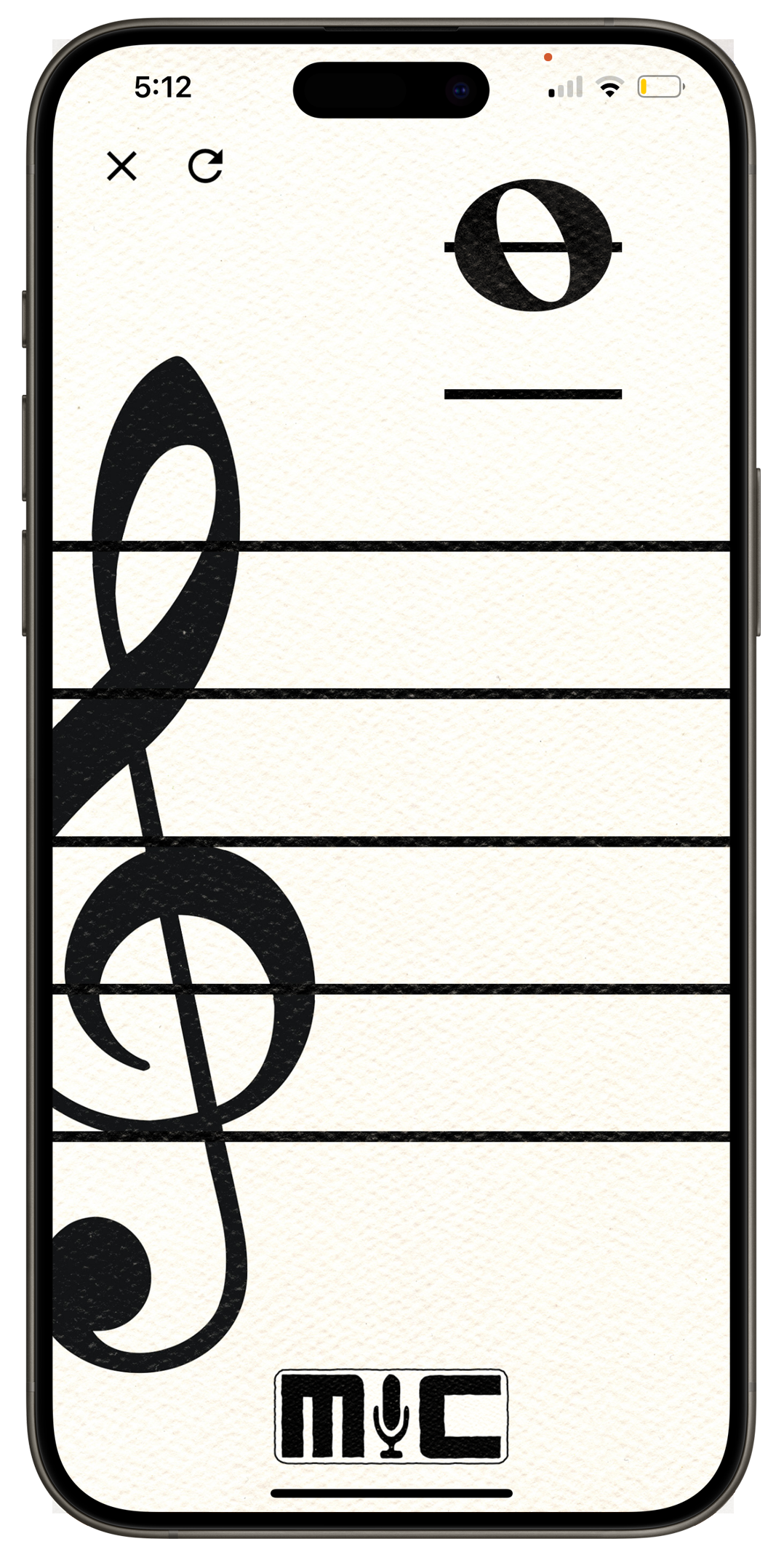
NoteologyTM is a breakthrough tool for teaching your piano students to read and play 29 notes in as little as 5 days, using the proven 'Memory Palace' technique.
Designed to work alongside an interval-based approach.
Faster progress. Happier students. Stronger studios!
How do you use the NoteologyTM app?
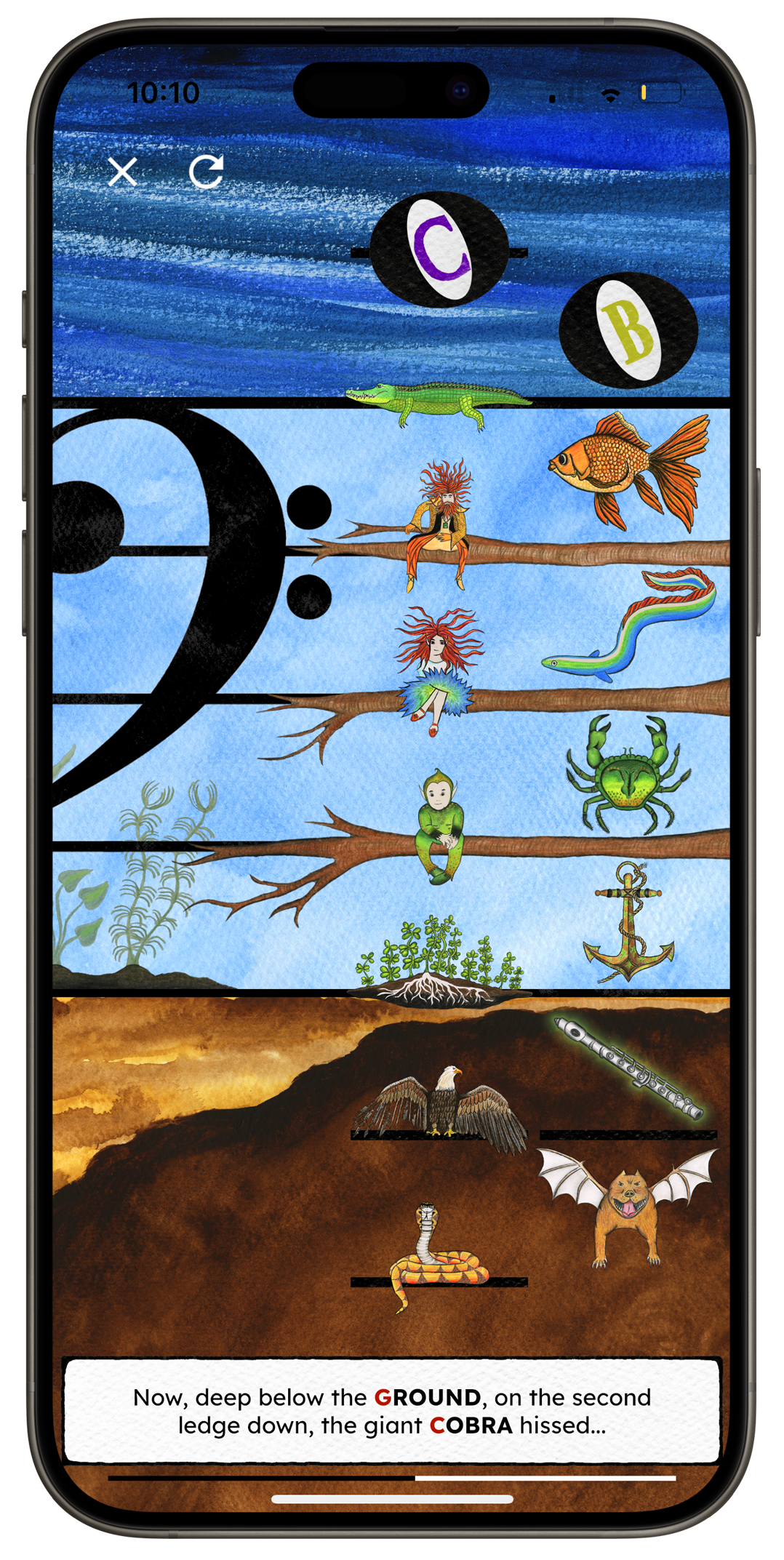
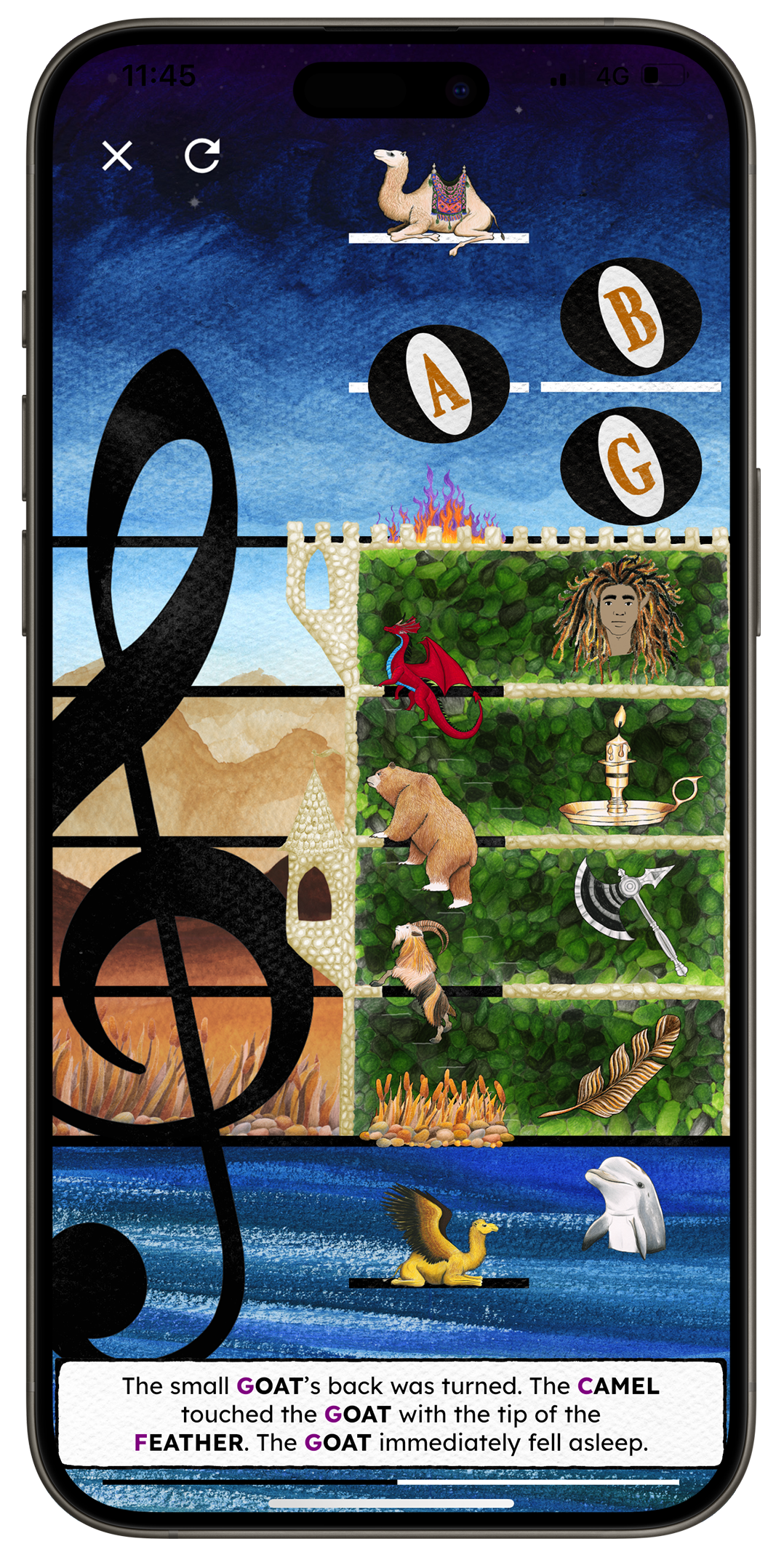
Read memory stories to your student. These stories build your student’s 'Memory Palace'.
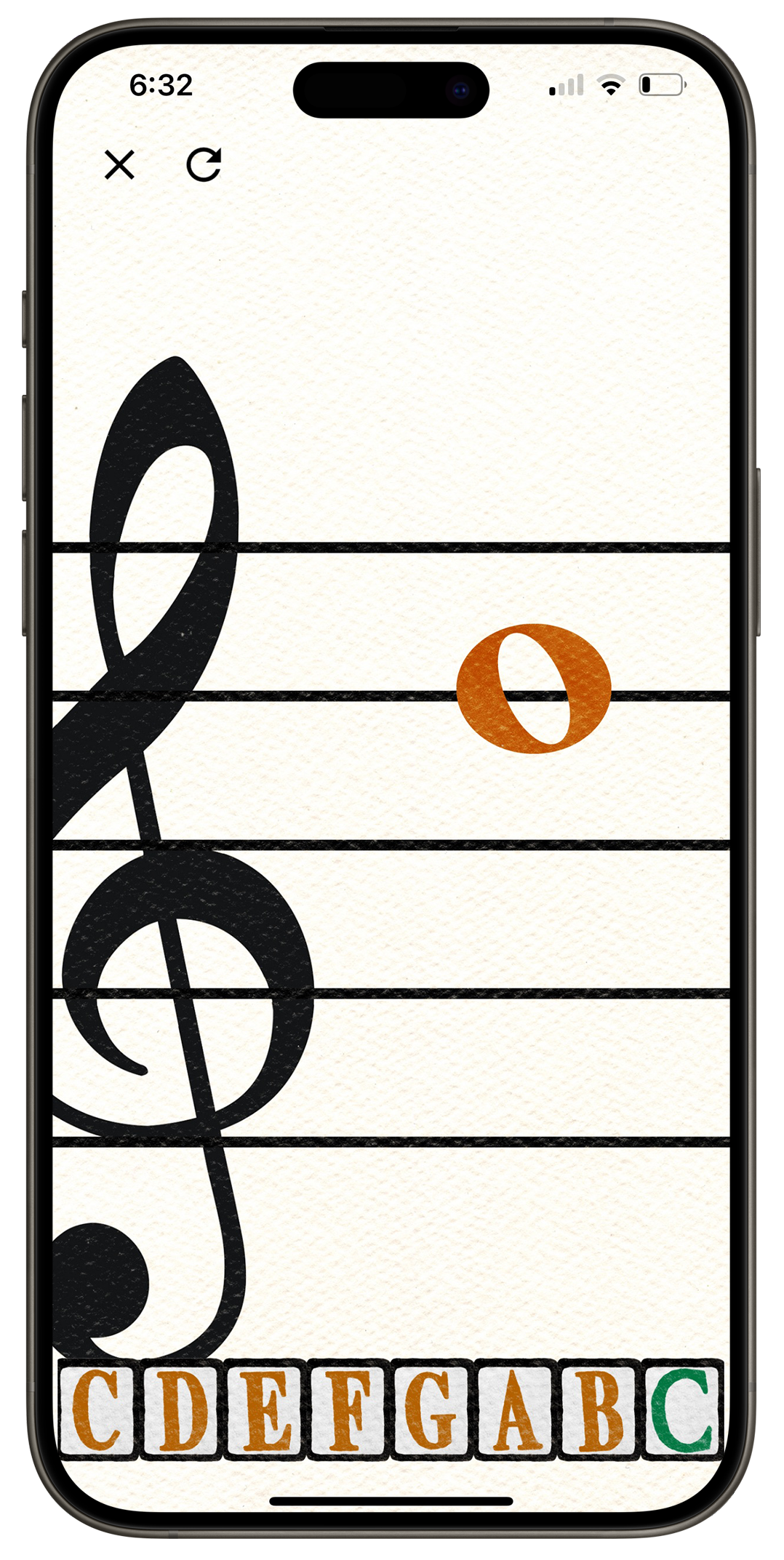
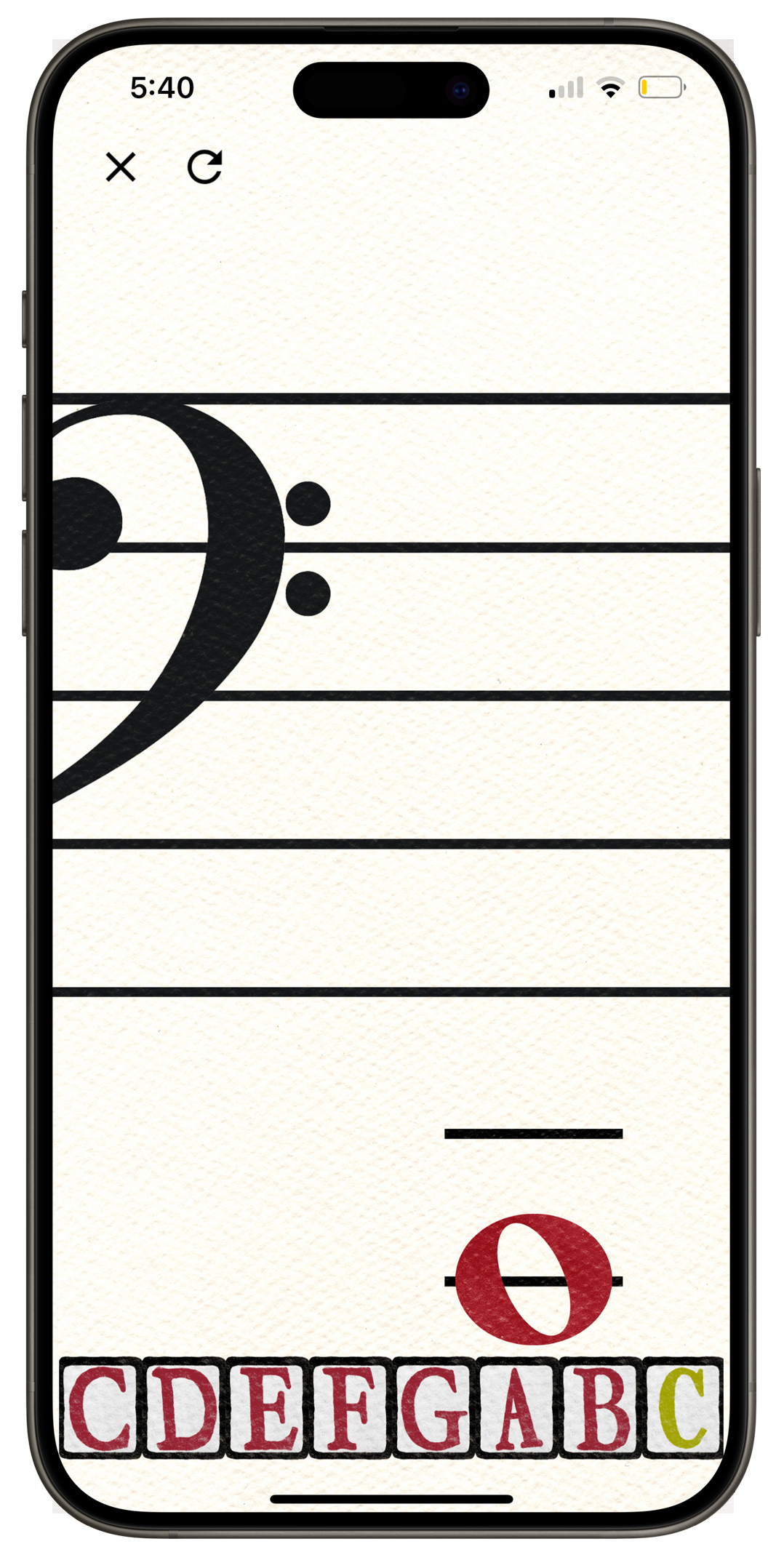
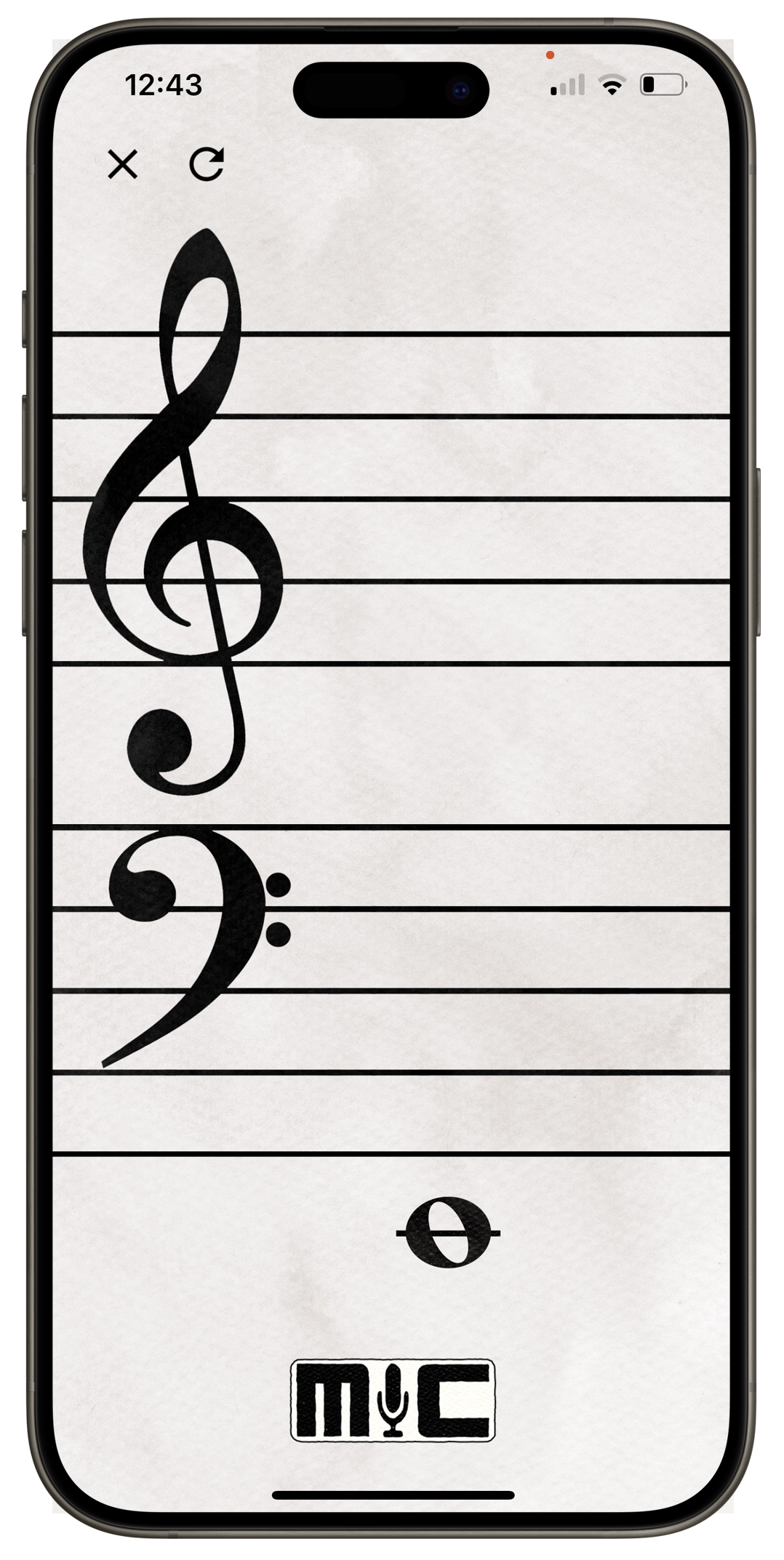
Assign your student games – based on their 'Memory Palace' – to quickly lock the notes more deeply into their mind.
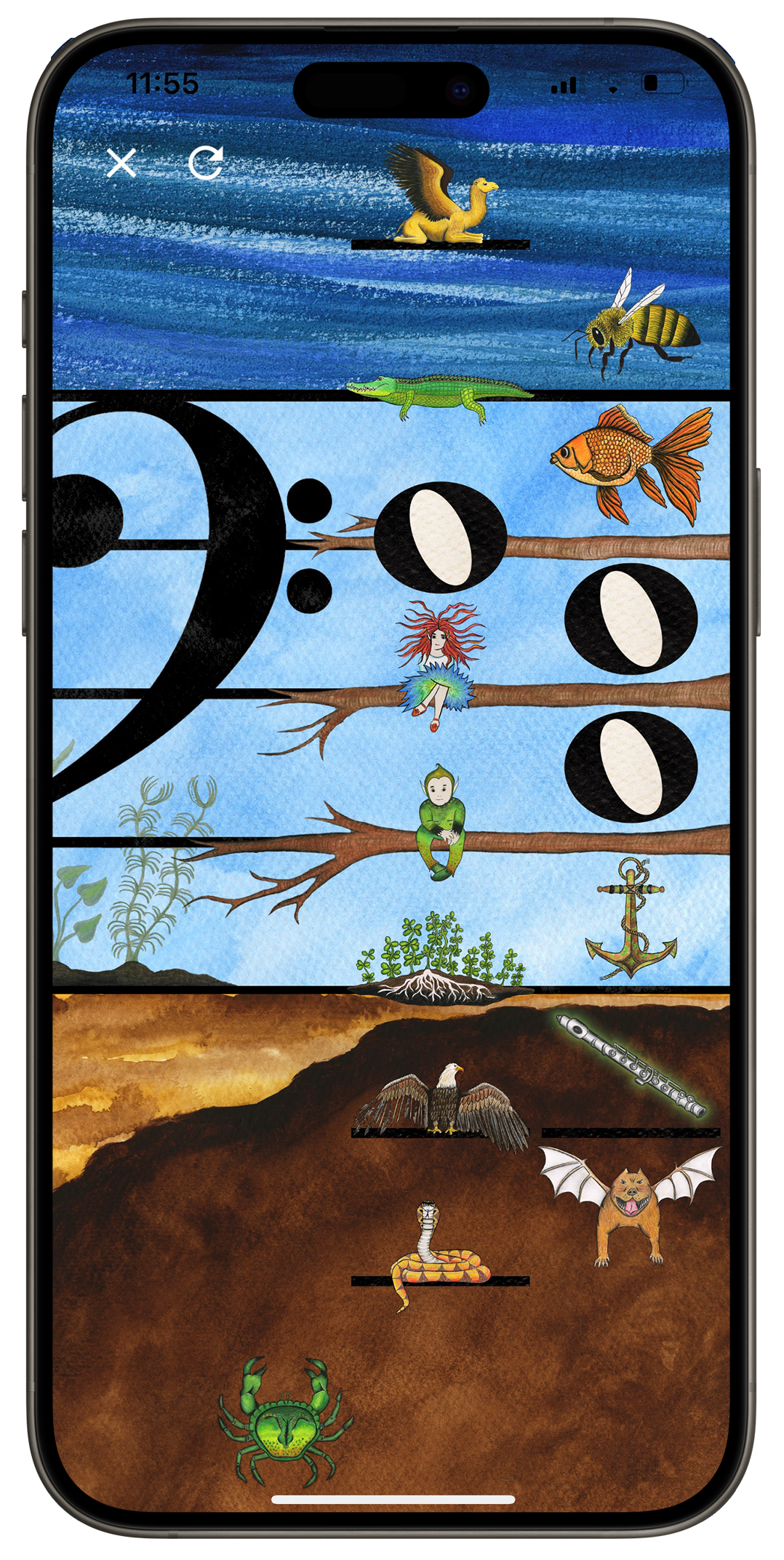
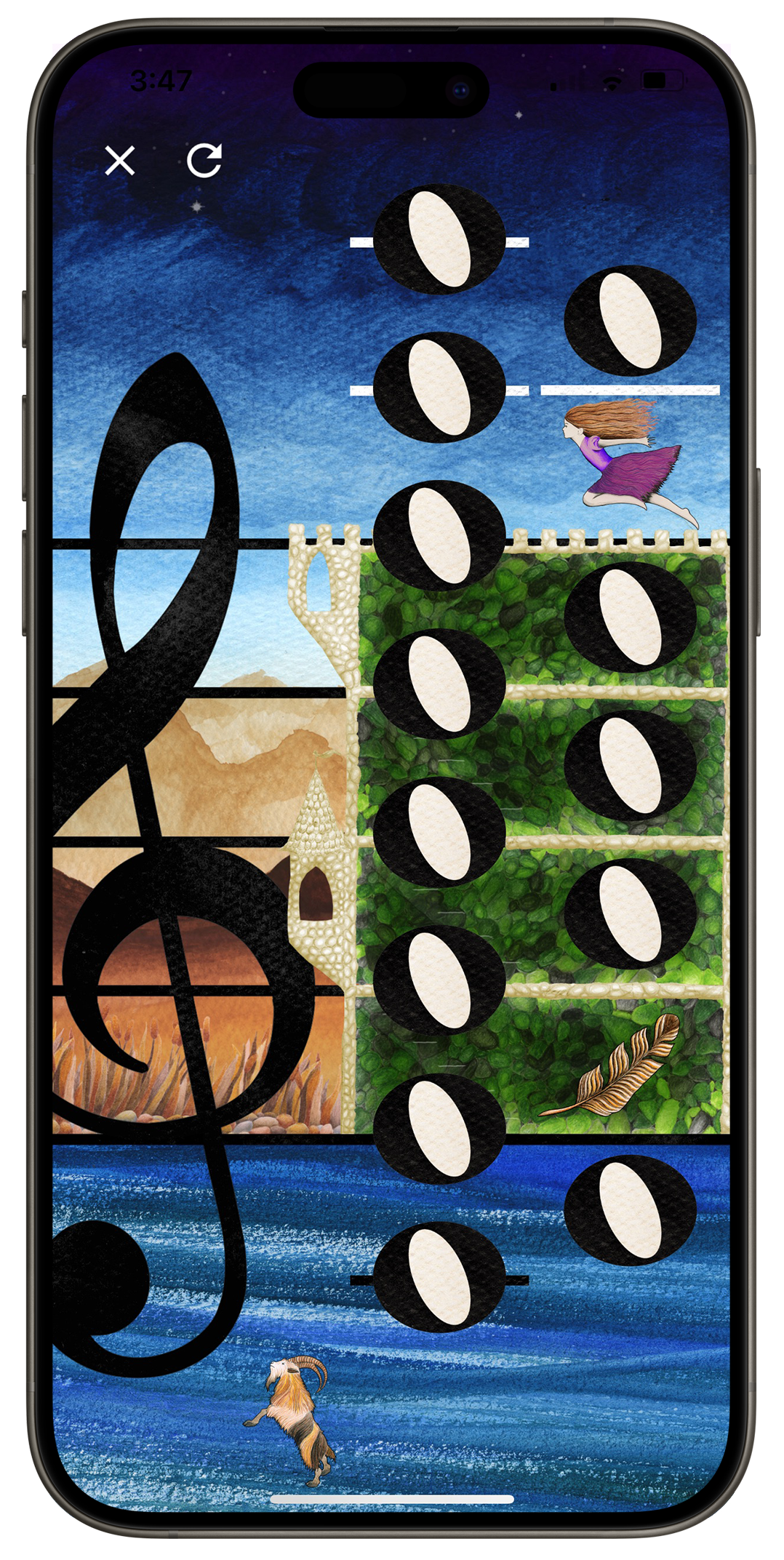
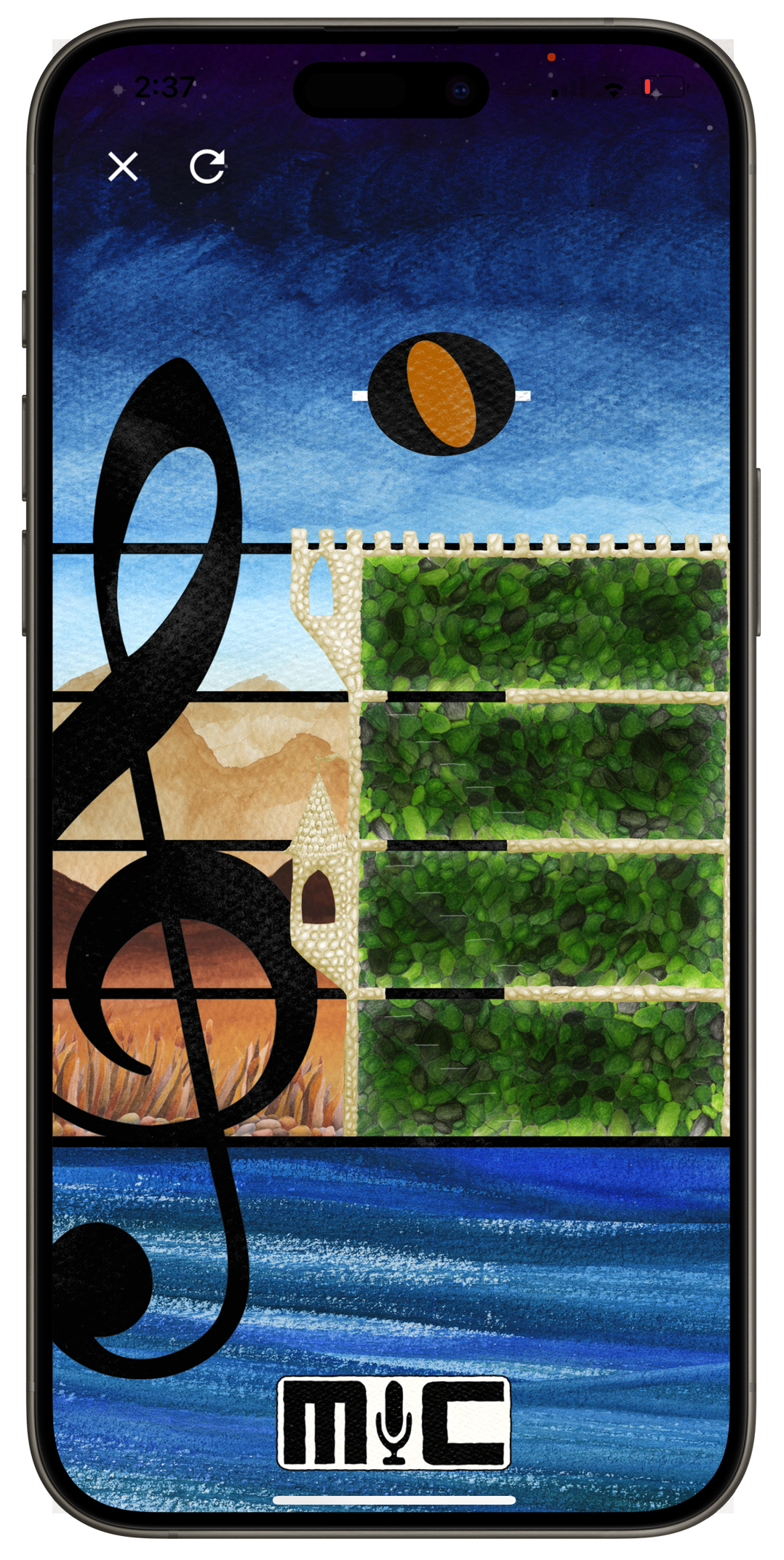
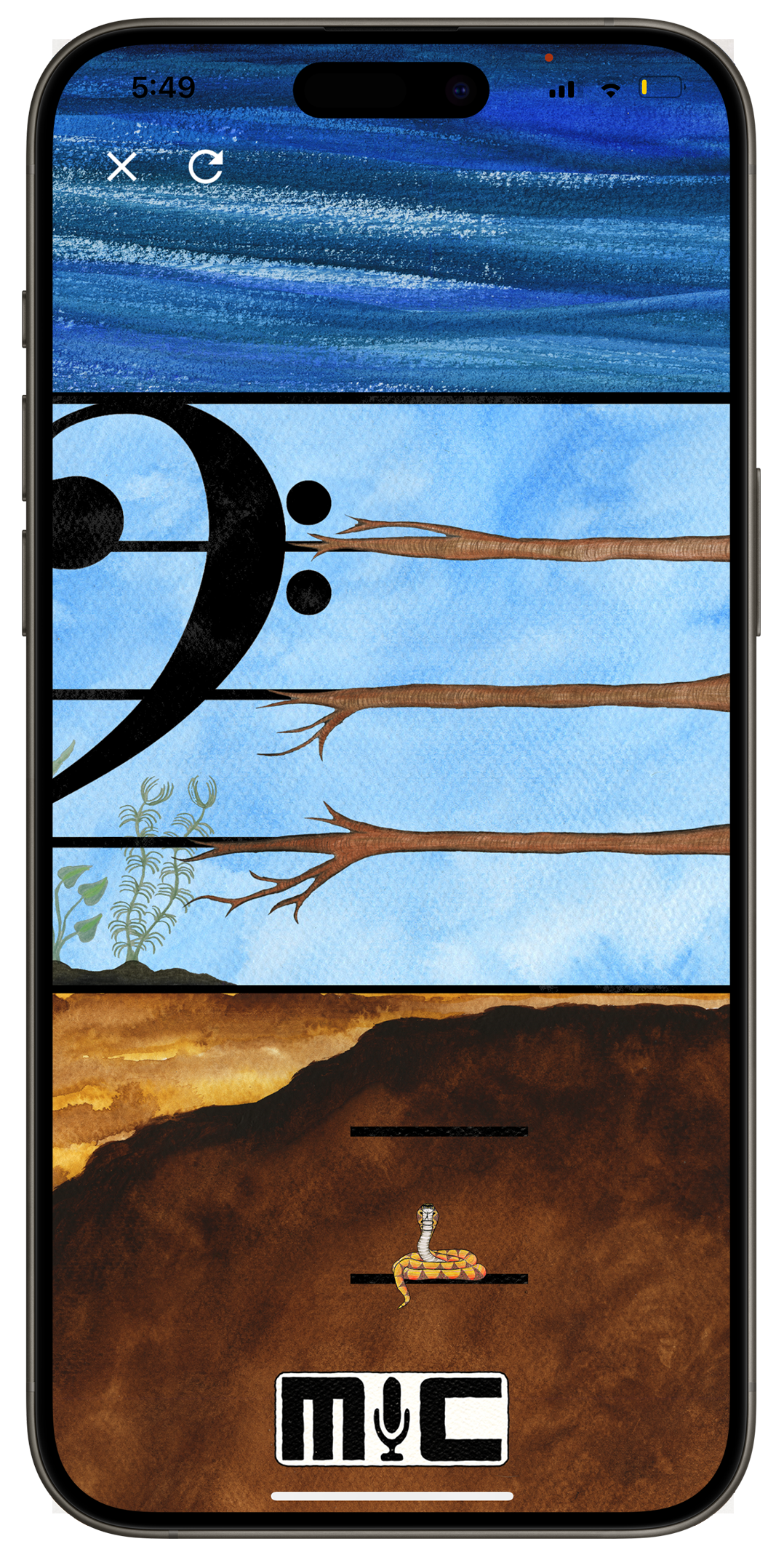
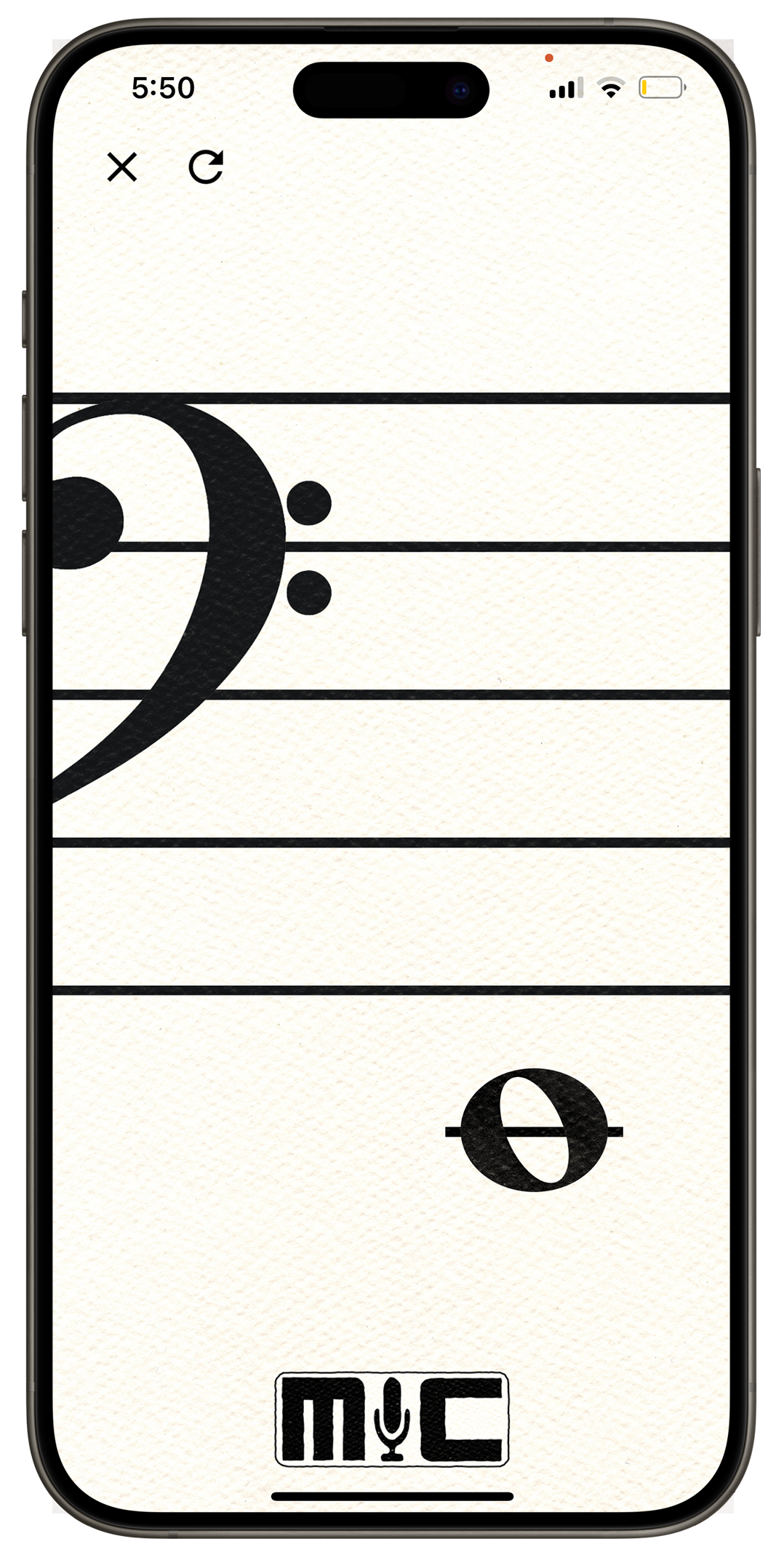
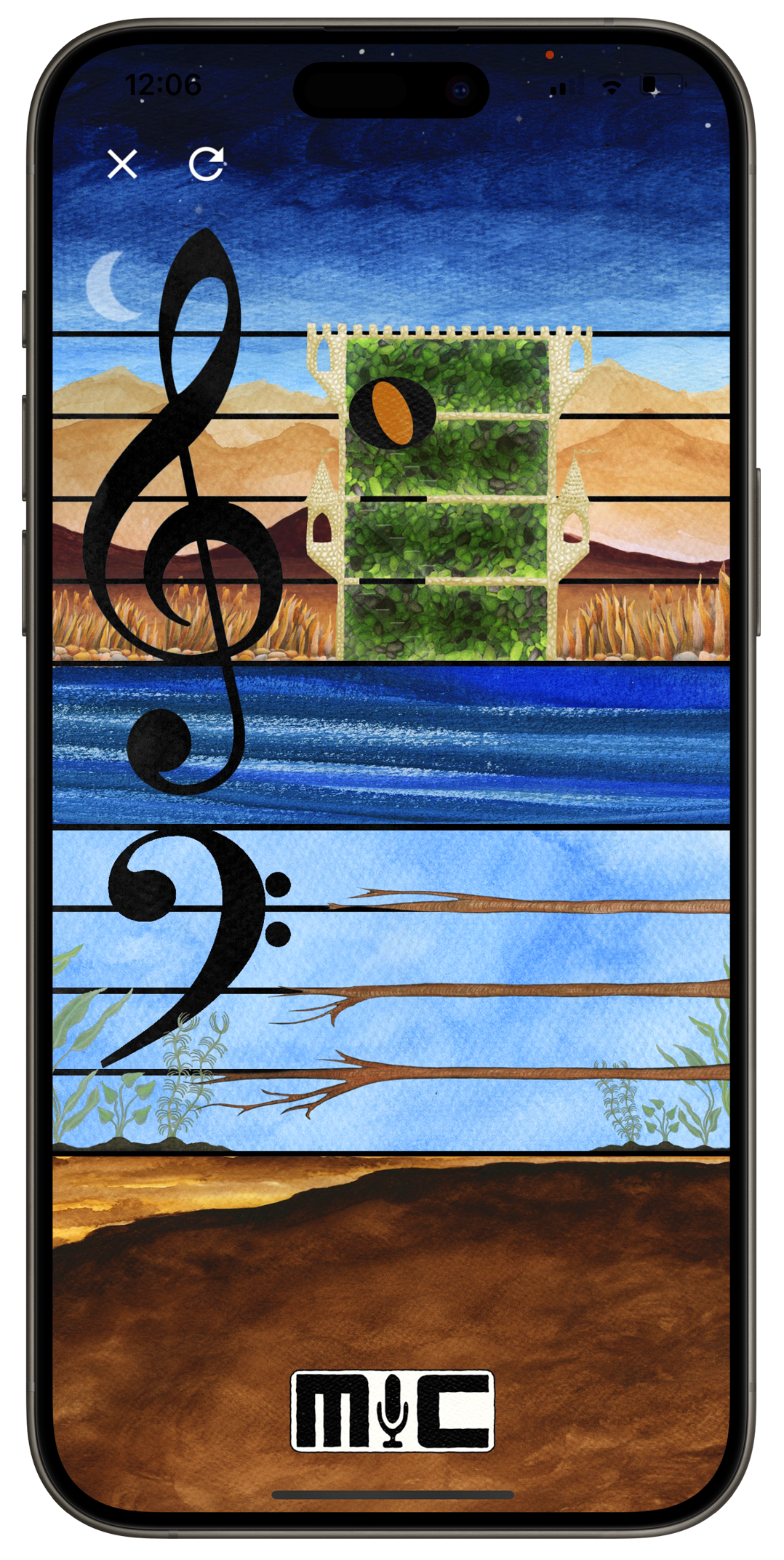
Set your student games on the piano (with the app giving real-time feedback) to cement the vital connection between the notes and keys.

"A really amazing teaching tool that everybody needs. A pedagogical resource for generations to come!"
Dr Helen Marlais - Author of over 200 acclaimed pedagogical piano books including Succeeding at the Piano.
www.helenmarlais.com
The Noteology Pedagogical Approach Explained:
If some of your students are struggling to learn the notes it's likely costing you
Time
Job Satisfaction
Student Motivation
Why might your students be struggling?
You might be using typical mnemonics
If you use mnemonics like “Every Good Boy Does Fine,” you’re teaching students to calculate each note — which can quickly lead to:

Students pause to workout every note.

“Wait — what line? What letter?”

...where music becomes a decoding exercise.
You might be using the Landmark Notes approach
If you’re using the Landmark Notes approach, you're already one step ahead — focusing on intervals and reference notes instead of difficult letter-by-letter decoding. But even here, there are hidden challenges:

Rote memorization
...is still required to memorize the Landmark Notes.
Mental calculation
...can still be needed, when the note is in a gap between Landmark Notes.
Stalling
...still occurs when students hesitate to judge a larger interval.
However there is another way!
Introducing the Noteology pedagogical approach

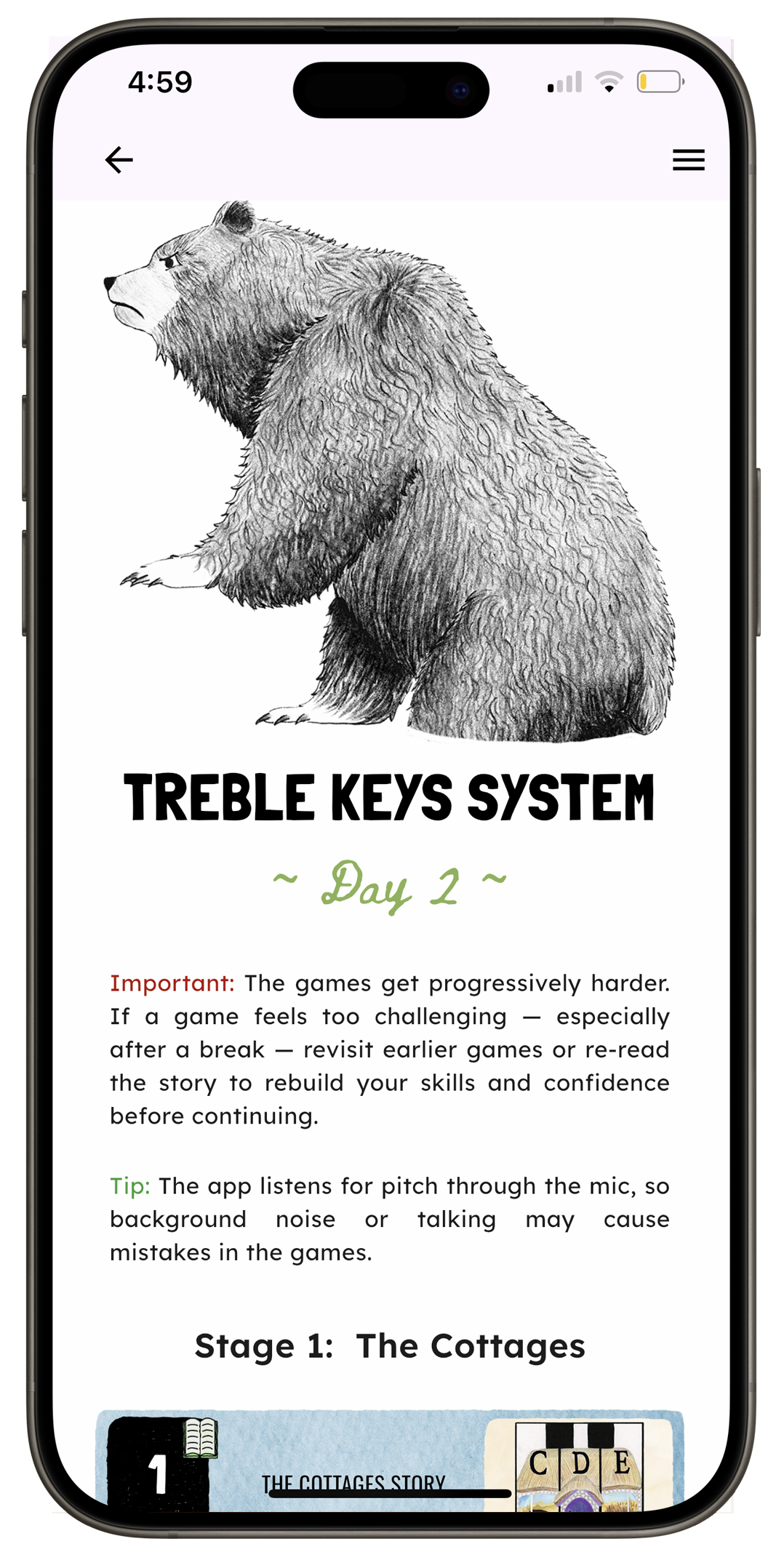
1. Teach the notes
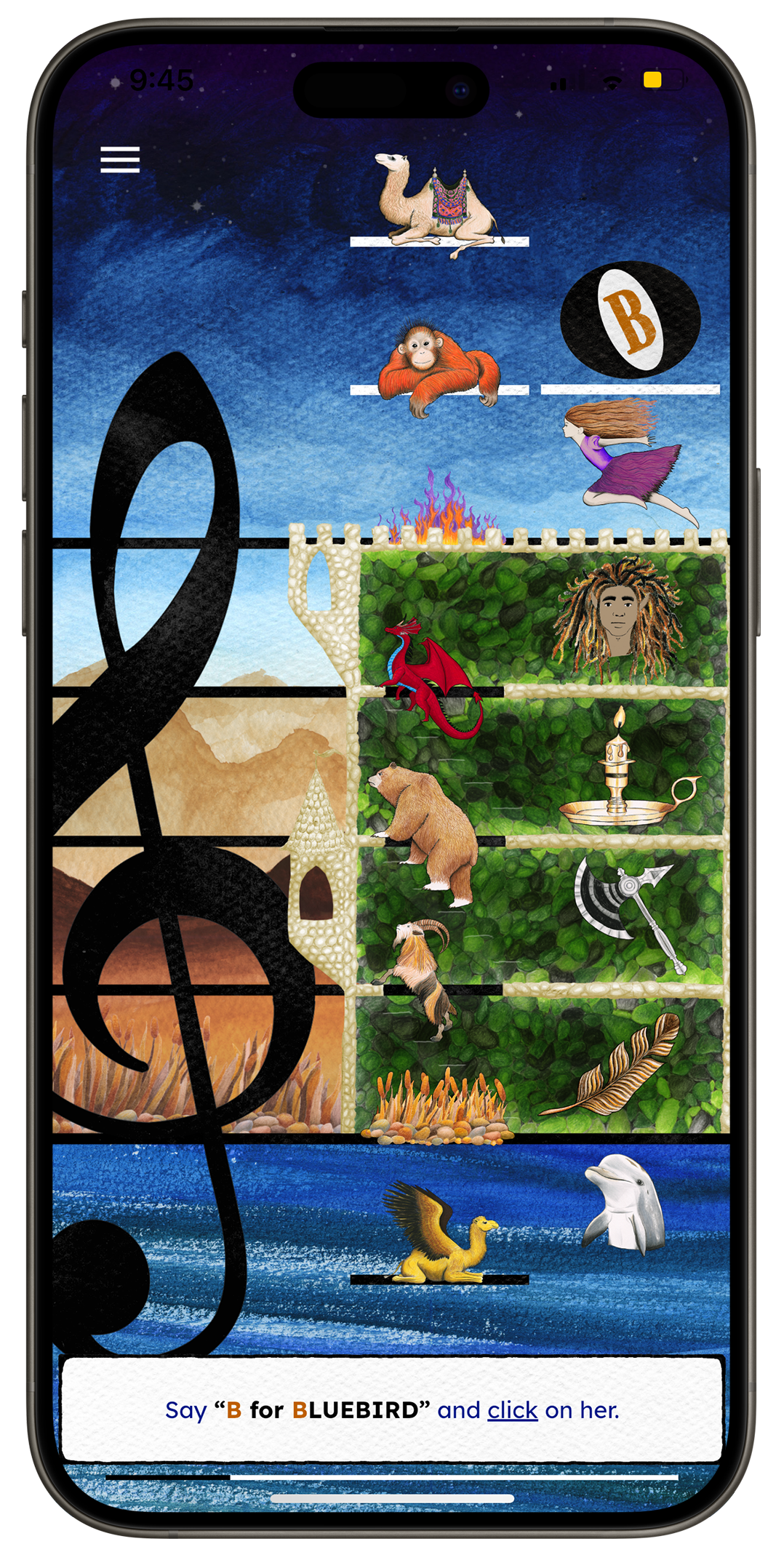
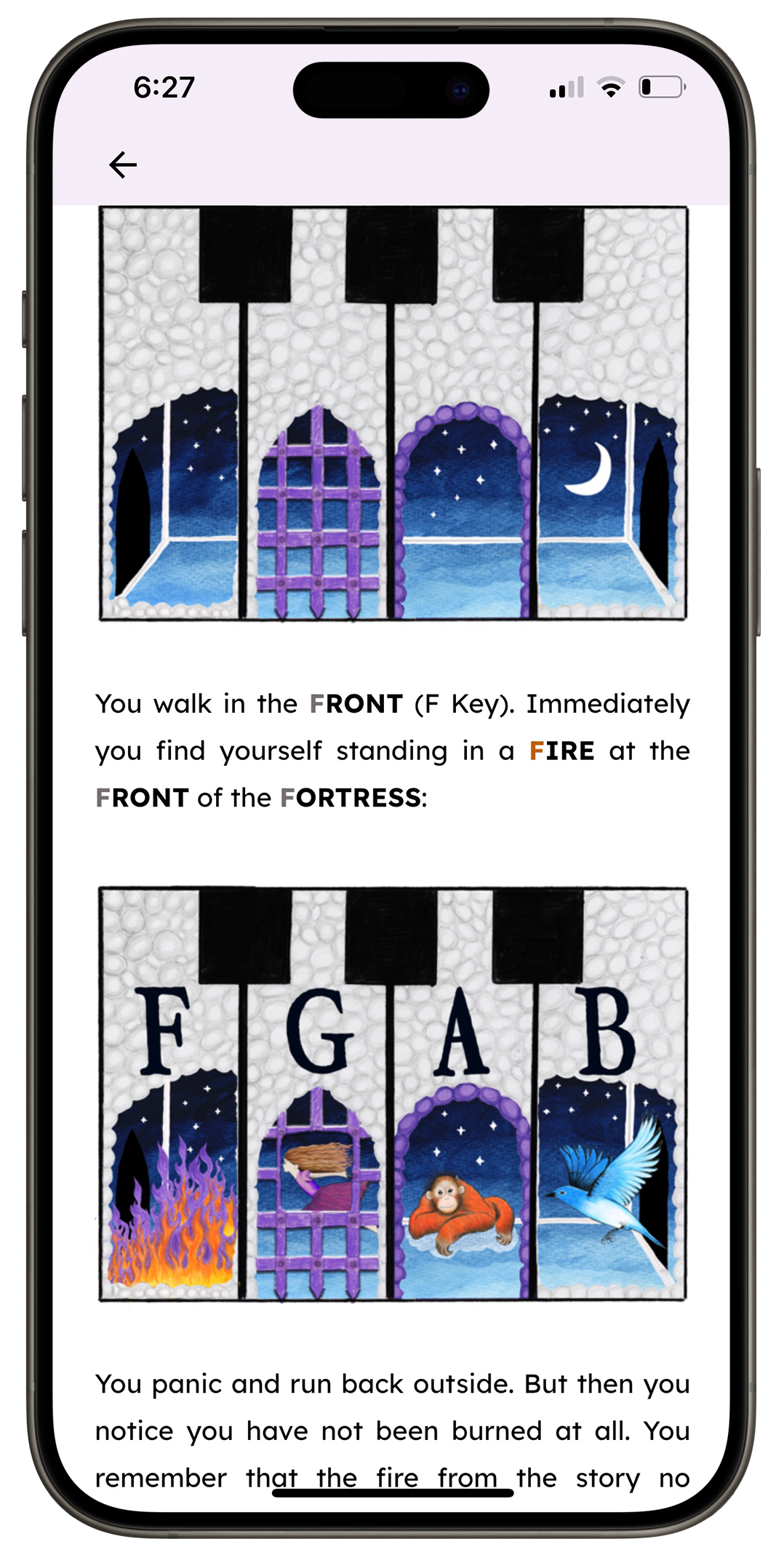
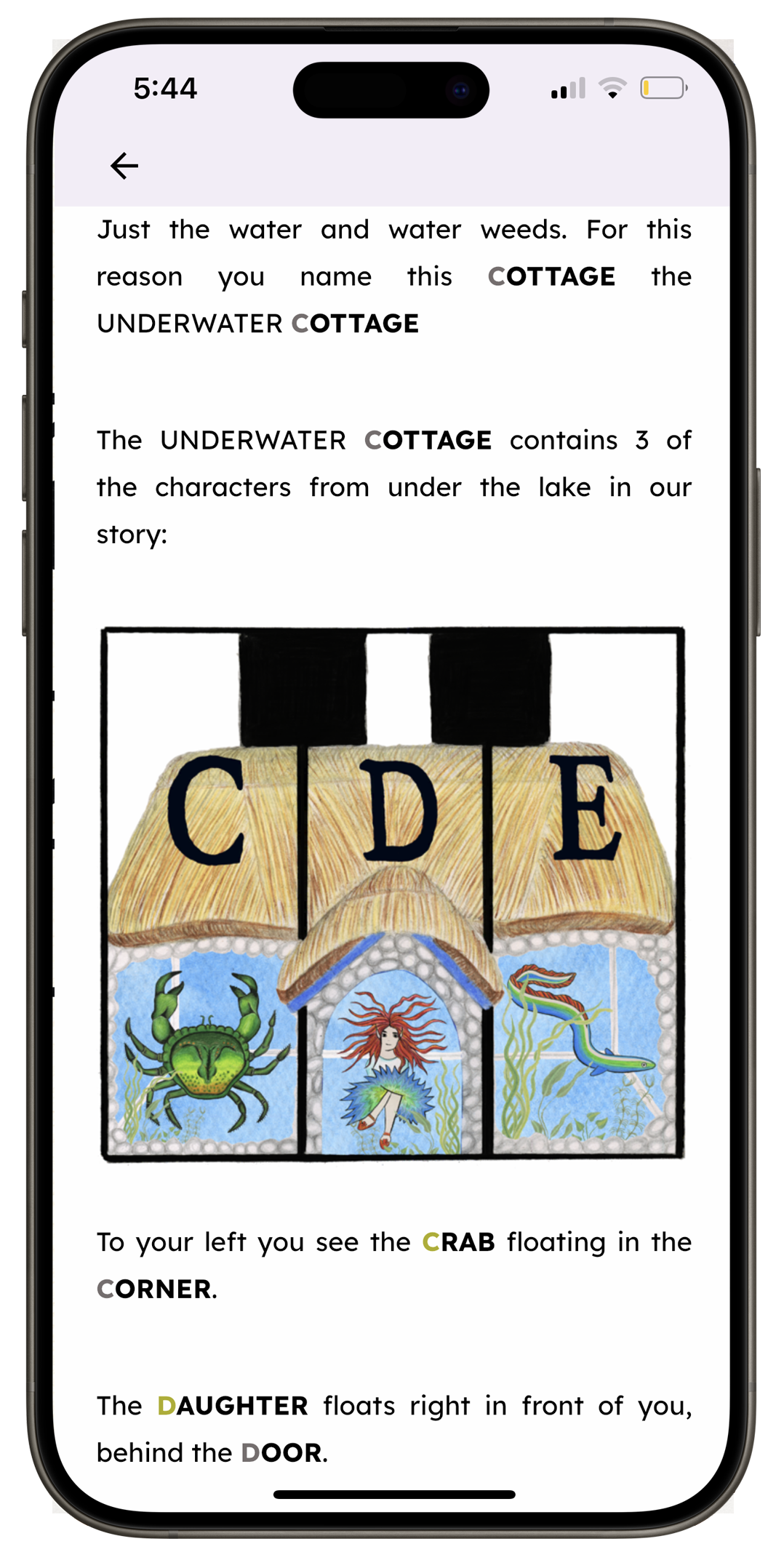
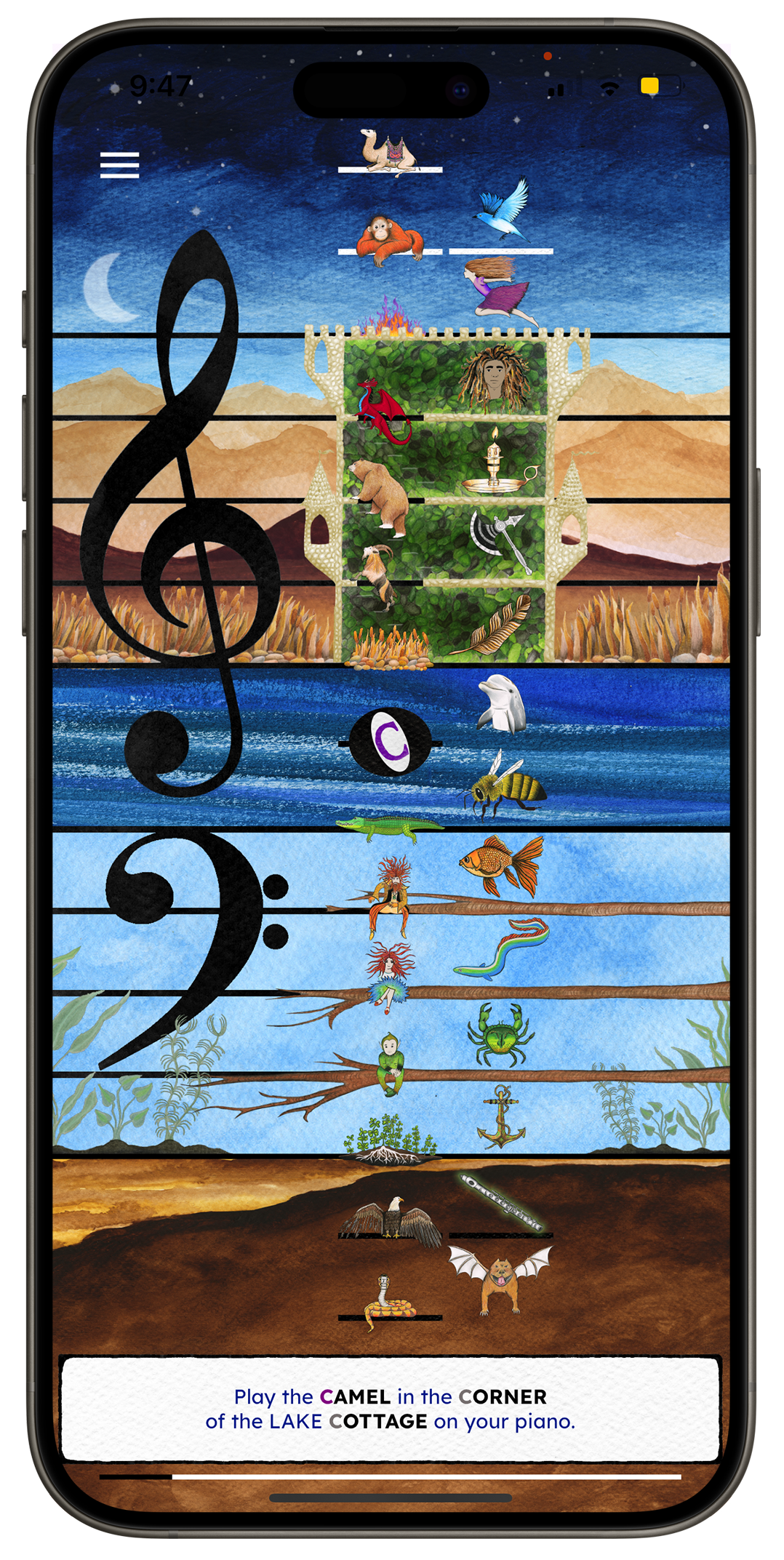
...with the 'Memory Palace' technique. This powerful technique — favored by memory champions — can help your students learn multiple octaves of notes in just days. Each note becoming a vivid mental landmark. The NoteologyTM App makes teaching this way simple.

2. Teach the intervals
...the same way you normally do - if you're not sure how to, our site has resources to help.

3. Teach the golden rule
"Whenever you can, read the intervals. Only rely on the notes when you have to". Intervals are Plan A, the notes are Plan B.
In as little as 5 days - your students can make remarkable progress:
Day 1
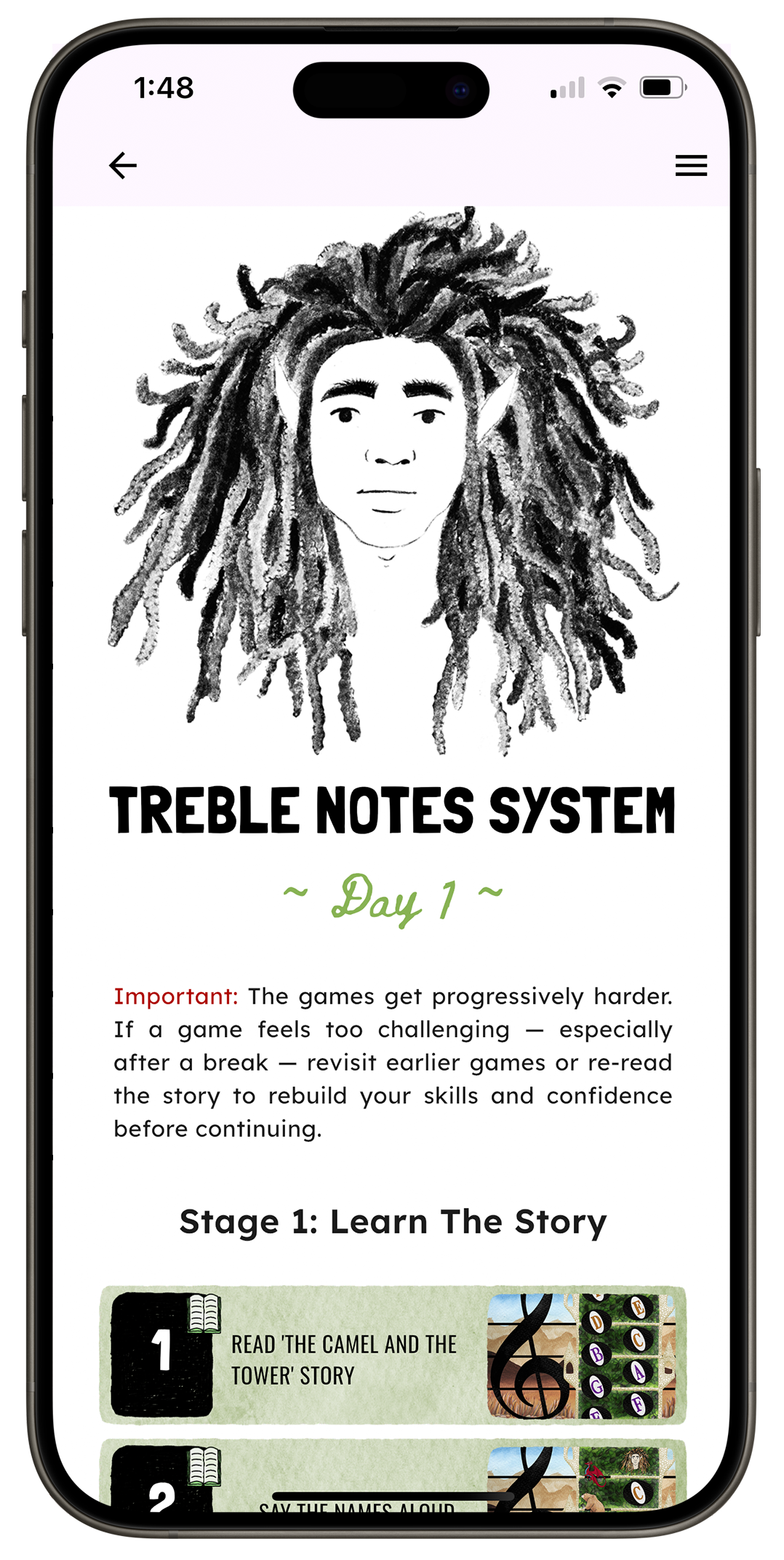
Students learn to read 15 treble notes.
Day 2
Students learn to play those 15 treble notes.
Day 3
Students learn to read 15 bass notes.
Day 4
Students learn to play those 15 bass notes.
Day 5
Students read & play all 29 notes on the piano.
NoteologyTM uses printable cut-outs:
Printable cutouts help students quickly map the notes to the keyboard, building a lasting mental image that remains after the cutouts are removed.
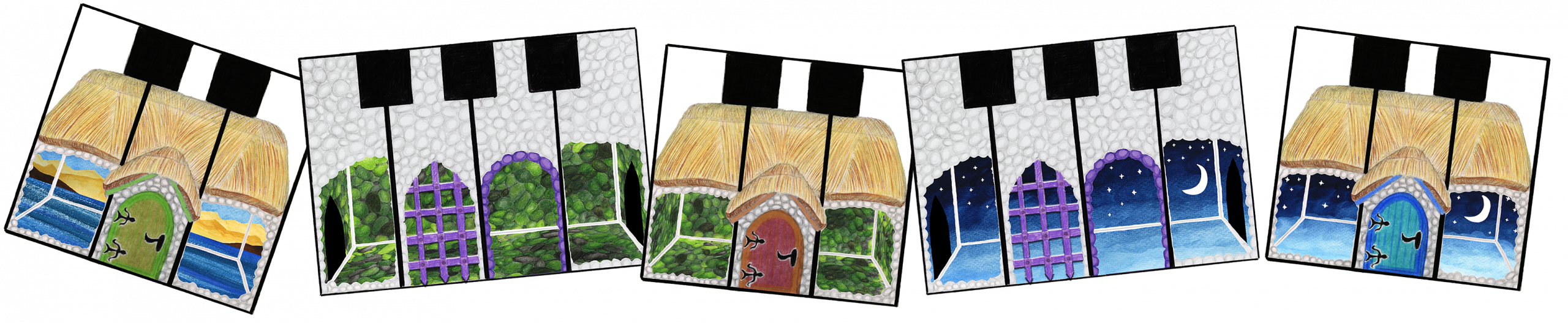
The result? Rapid progress — without the burden of rote memorization or the delays of mental calculation!
After the 5 day system, you simply set students our 7 minute warm up routine:
Then have students continue to do the warm-up twice a week until consistently reaching the highest level.
Try the Noteology approach and enjoy:

More time
...to teach what you love the most. From nurturing musical expression and creativity, to inspiring performance confidence.
Increased reputation
When beginners are excited and progressing fast, word will spread — building your reputation as the innovative teacher who gets real results.

Fulfillment
Watching your beginner students thrive will increase your passion and remind you of why you fell in love with teaching in the first place.
What others are saying...
"A really amazing teaching tool that everybody needs. A pedagogical resource for generations to come!"
Dr Helen Marlais - Author of over 200 acclaimed pedagogical piano books including Succeeding at the Piano.
www.helenmarlais.com

“My 9-year-old son Isaiah had been taking piano lessons for a year but still relied on a cheat sheet to recall many of the notes. After 2 weeks (the 5 day system + a week of the 7 minute warm-up routine), he could remember all the notes without help and played with more speed and confidence. He also found Noteology fun and engaging, so it was easy to keep him using it.”
Vanessa McLean - UK
Home-educating mother
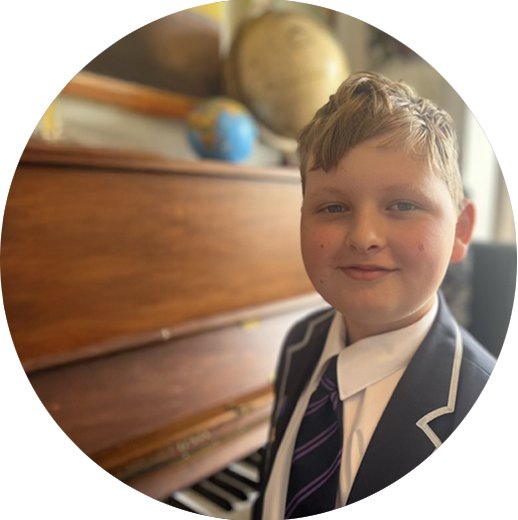
“Before Noteology, I couldn’t read a single note. I began each Noteology session in my piano lesson and finished it at home. Over five weeks, I completed the 5-day system, spending about an hour a week on Noteology. I then followed the warm-up routine for 3 more weeks. I really enjoyed Noteology and now I can read and play 29 notes—I feel really proud!”
Alex Redzina - Age 11
Piano Student
Frequently asked questions
5 days is the minimum time most students can complete the '5 day system'. Every student is different, so some students will need the days work split into 2 or 3 days.
We have especially found this to be the case with young students ages 7 and below. However, we have seen many students ages 8+ successfully complete the system in 5 days.
Each student is unique, but most can complete a day’s activities in 45 to 90 minutes.
We recommend spending 10 minutes per lesson (over 5 lessons). This time can be spent reading the stories and getting the student started on the next games. Then the rest of the day's games can be completed for homework.
We also recommend getting the student to do the last game of their homework at the beginning of the next lesson for you to monitor progress.
The 5 day's do not have to be consecutive. However, if the break is much larger than a week, progress can regress a little. In such cases we recommend either re-reading the relevant stories or using earlier games as a refresher.
Because NoteologyTM relies on neuroscience-based memory stories, strong English comprehension is important.
If a student speaks English but thinks in another language, progress may be slower and more frustrating due to constant mental translation. We recommend NoteologyTM only for students comfortable thinking in English — though we hope to offer translations in the future!
NoteologyTM only works for students who recognize capital letters A to G and have a basic understanding of phonics — for example, knowing that ‘Camel begins with C’.
Students who are not yet confident readers will need an adult to read the stories and instructions aloud.
The ‘Memory Palace’ technique (or Method of Loci) was first developed by the Ancient Greeks. This technique has you visualize walking through an imaginary location in your mind and placing the information to be memorized at different positions in your location. It works so effectively because our brains are excellent at remembering spatial environments.
This technique’s effectiveness is well documented — Memory champion Rajveer Meena used it to memorize pi to an astonishing 70,000 decimal places.
The Treble Notes System (Day 1) is entirely free. This teaches students to read (but not play), 15 notes.
The yearly price of the NoteologyTM app in only the price of a high-end method book. We have worked hard to make Noteology as affordable as possible for you and your students.
If students begin NoteologyTM and then take a substantial break, it's normal for them to struggle when they return as the notes are not yet in their long-term memory. We recommend:
Firstly returning to the relevant stories if they have forgotten them.
Then, through trial and error, figuring out their current level.
This is achieved through having a student try a game. If the student struggles, go back a few games. If they find that game easy, go forward one or two games until you find their appropriate level of challenge.
You can also identify what they are struggling with specifically. If it's the names of the creatures, play the Name Games. If it's the positions of the creatures, try a few of the Position Games.
If NoteologyTM is used outside of an intervallic approach, students will recognize individual notes quickly but read music slowly and mechanically. Without seeing intervals and patterns, they process each note in isolation, increasing cognitive load and preventing fluent, expressive playing.
The core strategy should be: “Whenever you can, read the interval. Only rely on the notes when you have to.” This helps students connect notes into musical shapes rather than only memorizing them as isolated facts, leading to true fluency and real-world sight-reading ability.
The warm-up routine uses spaced repetition—a science-backed method that boosts memory by revisiting material at increasing intervals. By reinforcing notes just before they’re forgotten, it embeds knowledge more deeply and accelerates recall with less total practice.
This approach strengthens neural connections, supports long-term memory consolidation, and helps students develop automaticity—the ability to recognize and respond to notes effortlessly.
The NoteologyTM app only changes how you teach the notes. It takes about 10 minutes of lesson time across around five sessions, with the rest completed as homework. You can continue using your usual teaching methods for everything else.
The one caveat: if you don’t already use an interval-based approach to teaching sight-reading, you’ll need to make a small shift. Noteology must be paired with interval training; without it, students may solely rely on identifying individual notes, which won’t lead to true fluency.
It’s the combination of the NoteologyTM curriculum and an interval-based approach that will lead to remarkable progress. Remember to teach the golden rule: “Whenever you can, read the intervals. Only rely on the notes when you have to".